
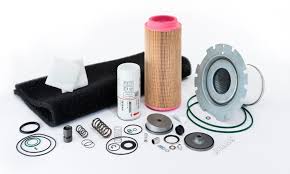
In industrial air compressors, especially rotary screw compressors, air and oil work together to ensure smooth operation. Oil is used to lubricate moving parts, seal internal gaps, and control heat. However, the compressed air leaving the compressor must be clean and oil-free. This is where the air/oil separator plays a critical role.
Many users underestimate the importance of air/oil separators until problems like oil carryover, pressure loss, or poor air quality appear. In this blog, we’ll clearly explain how air/oil separators work and why they matter, using simple, practical language.
What Is an Air/Oil Separator?
An air/oil separator is a filtration component installed in oil-injected air compressors. Its main job is to separate oil from compressed air before the air is sent to the system or production line.
After compression, air contains a significant amount of oil mist. The air/oil separator removes this oil and returns it to the compressor, allowing clean air output and oil reuse.
How Air/Oil Separators Work
Air/oil separation happens in multiple stages, not just one simple step.
1. Primary Separation (Mechanical Stage)
After compression, the air-oil mixture enters the separator tank. Due to centrifugal force and gravity:
- Heavier oil droplets fall to the bottom
- Air moves upward with smaller oil particles
This step removes most of the oil, but fine oil mist still remains in the air.
2. Secondary Separation (Filter Element Stage)
The remaining air passes through the air/oil separator element, which is made of special multilayer filtration media.
- Fine oil particles stick to the separator fibers
- Oil droplets merge and become heavier
- Separated oil flows back into the oil circuit
This stage ensures very low oil content in the compressed air.
3. Clean Air Delivery
After separation, clean compressed air is discharged to the air receiver or production line, while the recovered oil is reused in the compressor.
A good-quality separator can reduce oil carryover to as low as 2–3 ppm, depending on compressor design and operating conditions.
Why Air/Oil Separators Matter
1. Ensures Clean Compressed Air
Many industries require clean air, such as:
- Food and beverage
- Pharmaceuticals
- Electronics
- Automotive painting
Excess oil in compressed air can contaminate products, damage equipment, and fail quality standards. Air/oil separators help maintain air purity.
2. Reduces Oil Consumption
Without proper separation, oil is lost along with compressed air. This increases oil consumption and operating costs.
A properly working air/oil separator:
- Recovers oil efficiently
- Reduces oil top-ups
- Saves money over time
3. Prevents Pressure Drop and Energy Loss
A clogged or low-quality separator causes pressure drop, forcing the compressor to work harder to maintain air pressure.
This leads to:
- Higher energy consumption
- Reduced system efficiency
- Increased wear on components
Using the right separator and replacing it on time keeps pressure loss minimal.
4. Protects Downstream Equipment
Oil carryover can damage:
- Air tools
- Valves
- Cylinders
- Air dryers and filters
By removing oil before air reaches the system, air/oil separators protect downstream components and extend their lifespan.
5. Improves Compressor Reliability
Oil contamination in the air system can cause return oil line blockages and imbalance in oil circulation.
A clean, efficient separator ensures:
- Stable oil circulation
- Better cooling
- Smooth compressor operation
This reduces unexpected breakdowns and downtime.
Signs That an Air/Oil Separator Needs Replacement
Air/oil separators do not last forever. Common signs of a failing separator include:
- Increased oil carryover in compressed air
- Higher oil consumption
- Pressure drop across the separator
- Oil leakage from the air end
- Frequent filter clogging
Ignoring these signs can lead to serious compressor issues.
When Should You Replace an Air/Oil Separator?
Typically, air/oil separators should be replaced:
- After 3,000 to 6,000 operating hours
- During major compressor servicing
- When oil carryover exceeds acceptable limits
- If pressure drop becomes noticeable
Always follow manufacturer recommendations and operating conditions.
Choosing the Right Air/Oil Separator
When selecting an air/oil separator, consider:
- Compatibility with your compressor model
- Quality of filtration media
- Oil separation efficiency
- Pressure resistance and durability
Using cheap or incorrect separators often leads to higher oil carryover and frequent replacements, increasing long-term costs.
You can also refer to trusted compressor maintenance resources and industry experts like and for detailed technical guidance.
Final Thoughts
Air/oil separators are a vital component of oil-injected air compressors. They ensure clean compressed air, reduce oil consumption, protect equipment, and improve overall system efficiency.
Ignoring separator maintenance may seem harmless at first, but it can result in higher energy costs, oil waste, equipment damage, and downtime. Replacing air/oil separators on time is a simple step that delivers long-term benefits.
Clean air, lower costs, and reliable performance all start with a properly working air/oil separator.