
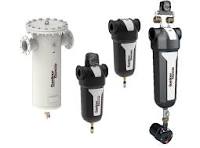
Compressed air is often called the “fourth utility” in industrial environments because of how widely it is used. From powering tools and machinery to supporting production processes, compressed air must be clean, dry, and reliable. However, air coming directly from a compressor is never clean by default. It contains moisture, oil, dust, and other contaminants that can damage equipment and reduce product quality.
This is where air treatment systems play a vital role. They clean and condition compressed air before it reaches end-use applications. In this blog, we’ll explain how air treatment systems work and how they significantly improve compressed air quality in simple, practical terms.
What Is an Air Treatment System?
An air treatment system is a combination of components designed to remove contaminants from compressed air. These systems usually include:
- Air dryers
- Air filters
- Moisture separators
- Aftercoolers
- Oil removal units
Each component performs a specific task, but together they ensure the compressed air is suitable for safe and efficient use.
Why Compressed Air Needs Treatment
When air is compressed, its temperature rises and moisture condenses. Along with moisture, the air also carries:
- Oil vapors from the compressor
- Dust and dirt from the surrounding environment
- Rust particles from pipes and tanks
If untreated air is used directly, it can lead to:
- Corrosion in pipelines
- Damage to pneumatic tools
- Poor product quality
- Increased maintenance and downtime
Air treatment systems prevent these problems by cleaning the air before it is used.
Removal of Moisture from Compressed Air
One of the biggest threats to compressed air quality is moisture. Water in compressed air can cause rust, freezing in lines, and bacterial growth.
Air dryers are used to remove moisture. The most common types include:
- Refrigerated air dryers for general industrial use
- Desiccant air dryers for applications requiring very dry air
By removing water vapor, air dryers:
- Prevent corrosion
- Protect tools and machinery
- Improve system reliability
Dry air means fewer breakdowns and longer equipment life.
Filtration of Oil and Solid Particles
Even high-quality compressors allow small amounts of oil and particles to pass into the air system. Air filters are used to remove these contaminants.
Air treatment filters typically remove:
- Dust and dirt
- Oil aerosols
- Odors and vapors (with activated carbon filters)
Clean air protects sensitive equipment, improves operational efficiency, and is especially important in industries like food, pharmaceuticals, and electronics.
Improved Tool and Equipment Performance
When compressed air is clean and dry, tools work more efficiently. Pneumatic equipment operates smoothly without sticking, corrosion, or uneven pressure.
With proper air treatment:
- Tools last longer
- Maintenance intervals increase
- Energy efficiency improves
This leads to lower operational costs and reduced downtime.
Prevention of Pipeline and System Damage
Moisture and contaminants can slowly damage air pipelines from the inside. Rust flakes can break loose and travel through the system, causing blockages and equipment failure.
Air treatment systems:
- Prevent internal corrosion
- Reduce pressure drops
- Keep air distribution systems clean
This improves overall system stability and reliability.
Consistent Air Quality for Sensitive Applications
Certain industries require high-purity compressed air, such as:
- Food and beverage processing
- Medical and pharmaceutical manufacturing
- Electronics and precision engineering
Air treatment systems help meet air quality standards by delivering consistent, contamination-free air. This ensures product safety and compliance with industry regulations.
Energy Efficiency and Cost Savings
While air treatment systems add components to the setup, they actually help reduce energy waste. Clean air flows more easily, reducing pressure loss and compressor workload.
Benefits include:
- Lower energy consumption
- Reduced oil and repair costs
- Longer service life of compressors
Over time, proper air treatment results in significant cost savings.
Extended Compressor and System Life
Contaminants don’t just affect end-use tools; they also damage the compressor itself. Clean air and proper oil separation reduce internal wear.
By improving air quality, air treatment systems:
- Protect internal components
- Reduce overheating
- Extend overall system lifespan
This means fewer breakdowns and better return on investment.
Final Thoughts
Air treatment systems are not optional add-ons—they are essential for maintaining high-quality compressed air. By removing moisture, oil, and contaminants, these systems protect equipment, improve efficiency, and ensure consistent performance.
Investing in the right air treatment setup helps avoid costly repairs, reduces downtime, and delivers clean, reliable compressed air for every application. In the long run, proper air treatment is one of the smartest decisions you can make for your compressed air system.