
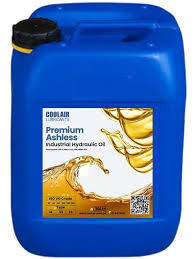
Air compressors work under high pressure and temperature, which puts a lot of stress on their internal components. To keep a compressor running smoothly and efficiently, using the right lubricant is essential. The correct compressor lubricant reduces friction, controls heat, prevents wear, and extends the life of the equipment.
In this article, we’ll discuss the best lubricants for air compressors, their types, and the key benefits they provide.
Why Lubrication Is Important in Air Compressors
Lubricants play a critical role in air compressors by:
- Reducing friction between moving parts
- Preventing overheating
- Protecting metal surfaces from wear and corrosion
- Helping seal gaps for better compression
- Removing contaminants and deposits
Without proper lubrication, compressors can suffer from frequent breakdowns, high energy consumption, and reduced lifespan.
Types of Air Compressor Lubricants
Not all compressors use the same type of lubricant. The choice depends on the compressor design, operating conditions, and application.
1. Mineral Oil-Based Lubricants
Mineral oils are the most commonly used lubricants in standard air compressors.
Best for:
- Small to medium industrial compressors
- General workshop use
Benefits:
- Affordable and widely available
- Good lubrication for moderate temperatures
- Suitable for many piston compressors
Limitations:
- Shorter oil life compared to synthetic oils
- Less effective in extreme temperatures
2. Synthetic Compressor Oils
Synthetic lubricants are chemically engineered to perform better under demanding conditions.
Best for:
- Rotary screw compressors
- Continuous or heavy-duty operations
Benefits:
- Longer oil change intervals
- Excellent thermal stability
- Better performance at high and low temperatures
- Reduced carbon deposits
Although synthetic oils cost more upfront, they often reduce overall maintenance costs.
3. Semi-Synthetic Lubricants
These are a blend of mineral and synthetic oils.
Best for:
- Users looking for a balance between cost and performance
Benefits:
- Better protection than mineral oil
- Longer service life
- Improved resistance to oxidation
4. Food-Grade Compressor Lubricants
Food-grade lubricants are specially formulated for industries where air comes into contact with consumable products.
Best for:
- Food and beverage processing
- Pharmaceutical and medical applications
Benefits:
- Safe for incidental food contact
- Comply with industry regulations
- Maintain air purity
These lubricants are usually synthetic-based for higher safety and performance.
5. High-Temperature Compressor Oils
Some compressors operate in extreme heat conditions.
Best for:
- High-load industrial compressors
Benefits:
- Prevent oil breakdown at high temperatures
- Reduce sludge and varnish formation
- Maintain viscosity under stress
Key Benefits of Using the Right Compressor Lubricant
1. Extended Equipment Life
Proper lubrication reduces metal-to-metal contact, preventing premature wear and tear.
2. Improved Energy Efficiency
Low-friction oils allow compressors to operate smoothly, reducing power consumption.
3. Reduced Maintenance Costs
High-quality lubricants last longer and minimize the need for frequent servicing.
4. Better Cooling and Heat Control
Lubricants absorb and dissipate heat, preventing overheating and breakdowns.
5. Cleaner Compressor Operation
Good lubricants resist oxidation and deposit formation, keeping internal parts clean.
How to Choose the Best Lubricant for Your Compressor
When selecting a lubricant, consider:
- Compressor type (piston, rotary screw, centrifugal)
- Operating temperature and pressure
- Manufacturer’s recommendations
- Industry requirements (food-grade or standard)
- Desired oil change interval
Ignoring manufacturer guidelines can lead to warranty issues and performance problems.
Signs You Are Using the Wrong Lubricant
- Excessive heat generation
- Unusual noise or vibration
- Frequent oil changes
- Sludge or carbon buildup
- Reduced compressor efficiency
If you notice these signs, it may be time to switch to a more suitable lubricant.
Conclusion
Choosing the best lubricant for your air compressor is not just about price — it’s about performance, protection, and long-term reliability. Whether you use mineral oil for basic operations or synthetic lubricants for heavy-duty applications, the right choice can significantly improve compressor efficiency and lifespan.
Investing in high-quality air compressor lubricants ensures smooth operation, reduced downtime, and lower maintenance costs, making it a smart decision for any compressed air system.