
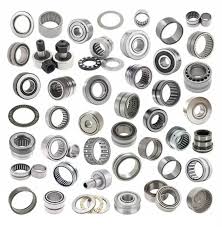
Fake compressor spare parts are becoming more common in the market. At first glance, they may look similar to original parts, but in reality, they can cause serious damage to your compressor, increase maintenance costs, and lead to unexpected breakdowns.
Knowing how to identify original (genuine) vs fake spare parts is essential for anyone who owns, operates, or maintains an air compressor. This guide will help you spot the differences and make safer purchasing decisions.
Why Fake Compressor Spare Parts Are a Serious Problem
Fake parts are usually made with cheap materials, poor machining, and no quality control. While they cost less upfront, they often:
- Wear out much faster
- Reduce compressor efficiency
- Cause oil leakage or air leakage
- Damage expensive components like the air end
- Increase downtime and repair costs
In critical industries, fake parts can even create safety risks.
1. Check the Packaging Carefully
Original spare parts always come in professional, branded packaging.
Signs of original packaging:
- Clear brand logo and name
- High-quality printing
- Proper spelling and grammar
- Sealed packaging
- Part number and barcode
Red flags for fake parts:
- Plain or low-quality boxes
- Misspelled brand names
- Blurry printing
- No sealing
- Missing labels or part numbers
Fake manufacturers often copy logos, but they rarely match the finish and quality of genuine packaging.
2. Verify the Part Number
Every original compressor spare part has a unique part number assigned by the manufacturer.
What you should do:
- Match the part number on the box with the part itself
- Cross-check the number with:
- Manufacturer catalog
- Official website
- Authorized dealer
Warning sign:
If the seller avoids sharing the part number or says “this fits all models,” be cautious. Genuine parts are model-specific.
3. Inspect Material Quality and Finish
Original spare parts are made with precise machining and high-quality materials.
Original parts usually have:
- Smooth edges
- Clean finishing
- Uniform shape and size
- Proper weight (not too light)
Fake parts often show:
- Rough or sharp edges
- Poor surface finishing
- Uneven shapes
- Lightweight feel due to cheap materials
For example, a fake bearing or gear may look similar but fail quickly due to poor metal quality.
4. Compare Price — If It’s Too Cheap, Be Careful
One of the biggest indicators of fake parts is unrealistically low pricing.
Reality check:
- Original parts cost more because of:
- Quality materials
- Testing and certifications
- Brand accountability
If a seller offers a “brand-new original” part at half the normal price, that’s a major red flag.
Saving money on spare parts can end up costing much more in repairs later.
5. Look for Authentication Features
Many manufacturers now include anti-counterfeit features such as:
- Hologram stickers
- QR codes
- Serial numbers
- Scratch-to-verify codes
Best practice:
Scan or verify these codes on the manufacturer’s official platform. If the code doesn’t work or shows invalid data, the part is likely fake.
6. Check Seller Credibility
Where you buy the part matters as much as the part itself.
Safer options:
- Authorized distributors
- Official brand dealers
- Reputed industrial suppliers
Risky sources:
- Unknown online sellers
- Social media-only sellers
- Cash-only deals with no invoice
Always ask for:
- Proper invoice
- Warranty (if applicable)
- Seller contact details
Fake parts sellers often disappear once a problem occurs.
7. Compare With the Old Original Part
If you’re replacing an old genuine part, compare it closely with the new one.
Check:
- Dimensions
- Weight
- Branding or markings
- Shape and alignment points
Even small differences can affect performance. Fake parts often fail to match exact tolerances.
8. Performance After Installation
Sometimes, fake parts are only identified after installation.
Warning signs after replacement:
- Unusual noise
- Increased vibration
- Oil or air leakage
- Faster wear than expected
- Drop in pressure or efficiency
If a “new” part behaves poorly from the start, stop the machine and inspect it.
9. Ask for Documentation
Original spare parts often come with:
- Warranty information
- Quality certificates
- Installation guidelines
Fake parts usually come with no paperwork at all.
10. Trust Experience, Not Just Appearance
Fake parts are improving in appearance, but they still fail in:
- Longevity
- Consistency
- Reliability
An experienced technician can often identify fake parts by feel, fit, and performance, not just looks.
Final Thoughts
Fake compressor spare parts may look like a good deal, but they are a long-term risk. They reduce compressor life, increase downtime, and can damage critical components like the air end.
To avoid fake parts:
- Buy from trusted sources
- Verify part numbers and packaging
- Don’t fall for extremely low prices
- Inspect quality carefully
In compressor maintenance, cheap parts are expensive mistakes.
Choosing original or high-quality genuine parts may cost more upfront, but it protects your equipment, saves money in the long run, and keeps your operations running smoothly.