
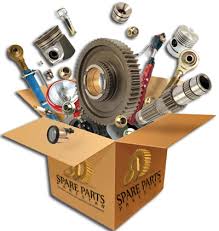
Every machine needs spare parts eventually — and air compressors are no exception. When a part wears out, one big decision pops up: Should I buy OEM parts or aftermarket parts? This choice affects your compressor’s performance, durability, cost, and long-term reliability.
In this blog, we’ll break down the differences between OEM and aftermarket spare parts for compressors, compare their pros and cons, and help you decide which option makes sense for your situation.
What Does OEM Mean?
OEM stands for Original Equipment Manufacturer. These are the parts that were originally installed in your compressor when it was brand-new.
So if you have a compressor made by brand X, an OEM part comes directly from brand X (or a licensed supplier), made to the exact specifications and standards of the original design.
Key Traits of OEM Parts
- Designed for your exact compressor model
- Made under strict quality control
- Identical to the original part
- Often backed by warranty
What Are Aftermarket Parts?
Aftermarket parts are spare parts made by third-party manufacturers, not by the original compressor maker. These parts are designed to fit many brands and models, and usually cost less than OEM parts.
Think of them like compatible alternatives — similar function and fit, but made by other companies.
Cost Comparison: OEM vs Aftermarket
🟢 Aftermarket Parts: Lower Price
One of the biggest reasons people choose aftermarket parts is cost. Aftermarket spares are often significantly cheaper than OEM parts — sometimes 30%-50% less.
This can make a big difference if you’re on a tight budget or running many compressors.
🔵 OEM Parts: Higher Price
OEM parts usually cost more because they come from the original manufacturer and carry quality assurance. You pay a premium for brand-matched precision and warranty support.
Winner for cost: Aftermarket
Quality and Fit
OEM: Perfect Match
OEM parts are made for your exact compressor model — so you can expect the right fit, right tolerances, and smooth performance without surprises.
This reduces the risk of leaks, improper alignment, or early failure.
Aftermarket: Varies by Manufacturer
Not all aftermarket parts are created equal. Some are excellent and rival OEM quality, while others are made cheaply with inferior materials.
The quality often depends on the aftermarket brand’s reputation.
Winner for quality and fit: OEM
Performance and Reliability
OEM Parts
Since they match original specifications, OEM parts usually deliver consistent performance and long life. They are tested with the compressor’s design in mind.
Aftermarket Parts
Performance can be hit or miss. Good aftermarket parts perform nearly as well as OEM, but poor-quality aftermarket parts may fail sooner, cause inefficiency, or even damage other components.
Winner for reliability: OEM
Warranty and Support
OEM Parts
Buying OEM often gives you manufacturer support and warranty coverage. If something goes wrong with the part under normal use, you’re more likely to get help from the brand.
Aftermarket Parts
Aftermarket warranties vary widely. Some trusted brands offer decent warranties, but cheap parts may have little or no support.
Winner for support: OEM
Availability and Variety
Aftermarket: Easier to Find
Aftermarket parts are usually available from many sellers, distributors, and online stores. This makes it easier to find replacements quickly — especially for older models.
OEM: Sometimes Harder to Source
OEM parts may sometimes be back-ordered, discontinued, or only available through specific dealers, which can delay repairs.
Winner for availability: Aftermarket (in many cases)
Customization and Flexibility
Some aftermarket parts come with improved designs or enhanced materials that are not available in stock OEM parts. For example:
- Upgraded seals
- Harder wearing bearings
- Extended life gaskets
This means aftermarket parts can be better in some specific use cases if you choose a reputable brand.
Winner for flexibility: Aftermarket (but depends on quality)
When OEM Is Clearly Better
In certain situations, OEM parts are the safer choice:
✔ New or critical compressors
If downtime costs you a lot of money, OEM parts reduce risk.
✔ Machines under warranty
Replacing with non-OEM parts may void warranty.
✔ Precision components
Parts like air end rotors, timing gears, or electronic sensors benefit from OEM precision and testing.
When Aftermarket Makes Sense
Aftermarket parts can be the smarter choice when:
✔ You’re on a budget
You need a reliable part at a lower cost.
✔ The part isn’t critical
Filters, belts, or basic fittings often work fine when they’re aftermarket.
✔ Trusted aftermarket brand
Some aftermarket manufacturers build high-quality parts that perform almost like OEM.
How to Choose the Best Aftermarket Part
If you decide to go aftermarket, follow these tips:
- Buy from reputable brands
- Check material quality
- Look for reviews and ratings
- Ensure fitment info matches your model
- Avoid super-cheap parts with no warranty
Good aftermarket parts can be cost-effective and reliable — but cheap, low-quality ones are a false economy.
Final Verdict: Which Is Better?
There is no single answer that fits every case. But here’s a simple rule of thumb:
📍 For performance, reliability, warranty, and perfect fit — OEM parts are better.
📍 For cost savings, easy availability, and non-critical components — good quality aftermarket parts are worth considering.
Both OEM and aftermarket parts have their place. The best choice depends on your compressor model, budget, urgency, and how critical that part is to your operations.
Conclusion
Choosing between OEM and aftermarket compressor spare parts isn’t about which is “objectively better,” but which is better for your situation.
- OEM parts deliver reliability and peace of mind.
- Aftermarket parts offer savings and choice.
Smart maintenance means balancing cost with quality — not choosing blindly based on price alone.