
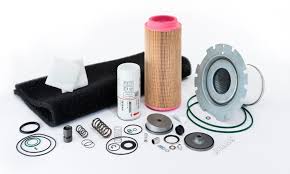
Preventive maintenance is the smartest way to keep an air compressor running smoothly. Instead of waiting for parts to fail and dealing with costly breakdowns, preventive maintenance focuses on replacing the right spare parts at the right time.
Many compressor problems don’t happen suddenly. They develop slowly due to worn parts, poor-quality replacements, or delayed servicing. Using the correct and high-quality compressor spare parts plays a key role in preventing these issues.
Below are practical preventive maintenance tips that help extend compressor life, reduce downtime, and control operating costs.
1. Follow a Scheduled Spare Parts Replacement Plan
One common mistake is replacing parts only after failure. Preventive maintenance means changing parts before they cause problems.
Parts that should be replaced on a schedule include:
- Air filters
- Oil filters
- Oil separators
- Belts
- Seals and O-rings
Using the right spare parts and replacing them on time keeps airflow smooth, oil clean, and internal components protected.
Skipping scheduled replacement often leads to:
- Higher energy consumption
- Reduced air pressure
- Damage to the air end
2. Always Use the Correct Part for Your Compressor Model
Not all spare parts are interchangeable. Even small differences in size or material can affect performance.
Preventive tip:
- Match part numbers with manufacturer specifications
- Avoid “one-size-fits-all” claims
- Use brand-recommended or trusted compatible parts
Using the wrong spare part can cause poor sealing, misalignment, or vibration, which slowly damages internal components.
3. Choose High-Quality Spare Parts, Not Just Cheap Ones
Cheap spare parts may look similar, but they usually fail faster. Preventive maintenance works best when quality parts are used consistently.
High-quality spare parts:
- Last longer
- Maintain proper tolerances
- Reduce friction and heat
- Protect expensive components
Low-quality parts often increase wear on bearings, rotors, and shafts, leading to early air end failure.
4. Keep Filters Clean and Replaced on Time
Filters play a critical role in compressor health.
Air Filters
A clogged air filter restricts airflow and forces the compressor to work harder.
Preventive action:
- Inspect air filters regularly
- Replace them before they become fully clogged
Oil Filters
Dirty oil filters allow contaminants to circulate inside the compressor.
Preventive action:
- Replace oil filters during every oil change
- Use filters designed for your compressor type
Clean filters reduce internal wear and maintain efficiency.
5. Use the Right Oil and Oil-Related Spare Parts
Lubrication is essential for preventing friction and overheating.
Preventive maintenance tips:
- Use oil recommended by the compressor manufacturer
- Replace oil separators on time
- Ensure seals and gaskets are compatible with the oil type
Using incorrect oil or poor-quality oil separators can lead to:
- Oil carryover
- Increased temperature
- Seal damage
- Reduced compressor life
6. Monitor Bearings and Replace Them Before Failure
Bearings rarely fail without warning. They usually show early signs like:
- Noise
- Vibration
- Temperature increase
Preventive maintenance means:
- Monitoring bearing condition
- Replacing bearings during planned shutdowns
- Using high-quality bearings with proper load ratings
Waiting for bearings to fail can damage rotors and shafts, turning a small repair into a major overhaul.
7. Replace Seals and O-Rings During Servicing
Seals and O-rings age over time due to heat and pressure. Even if they look fine, old seals can harden and lose elasticity.
Preventive tip:
- Replace seals during major servicing
- Use correct material seals for temperature and oil resistance
Fresh seals prevent air and oil leaks, helping maintain pressure and efficiency.
8. Keep Belts and Couplings in Good Condition
In belt-driven compressors, worn belts reduce efficiency and increase load on motors and bearings.
Preventive actions:
- Inspect belts for cracks or stretching
- Replace belts in sets if required
- Use correct belt type and size
Poor-quality belts slip easily and wear out faster, causing unnecessary stress on the system.
9. Track Spare Parts Usage and History
Preventive maintenance improves when you track what was replaced and when.
Keep records of:
- Replacement dates
- Part numbers
- Operating hours
- Observed issues
This helps predict future replacements and avoid unexpected failures. It also ensures consistent use of correct spare parts.
10. Buy Spare Parts from Trusted Sources
Even high-quality spare parts fail if they are fake or poorly made.
Preventive buying tips:
- Purchase from authorized dealers or reputable suppliers
- Avoid unusually cheap offers
- Ask for proper invoices and documentation
Reliable suppliers help ensure part authenticity and compatibility.
Why the Right Spare Parts Matter in Preventive Maintenance
Preventive maintenance is not just about cleaning and inspections. It is about using the right spare parts to stop small issues from becoming big problems.
Correct spare parts help:
- Maintain stable pressure
- Reduce power consumption
- Prevent overheating
- Protect the air end
- Extend overall compressor life
Final Thoughts
Preventive maintenance only works when it’s done properly. Using incorrect or low-quality spare parts defeats the purpose and increases long-term costs.
By replacing the right compressor spare parts on time and choosing quality over short-term savings, you can:
- Reduce breakdowns
- Lower maintenance expenses
- Improve efficiency
- Keep your compressor running reliably for years
In compressors, prevention is always cheaper than repair — and the right spare parts make prevention possible.