
Air compressors are vital in many industries and workshops, helping to power tools, machinery, and production lines. While these machines are built to last, dirty air filters can quickly reduce their efficiency, cause damage, and even lead to costly repairs. Many users often overlook air filter maintenance, but it plays a critical role in keeping compressors running smoothly.
In this blog, we’ll discuss the common problems caused by dirty air filters, how to identify them, and why regular maintenance is essential.
What is an Air Filter?
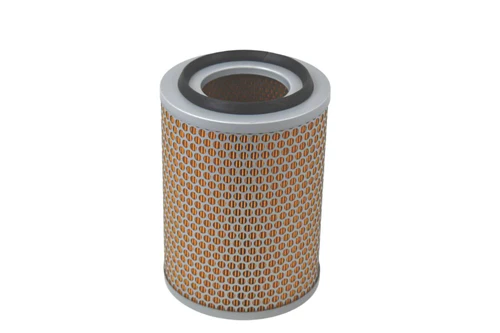
An air filter is a component that cleans incoming air before it enters the compressor. It removes dust, dirt, and other particles, preventing them from damaging the compressor’s internal components.
Air filters can be made of foam, paper, or synthetic materials, and they differ depending on the compressor type and application. Keeping the air filter clean ensures efficient airflow and clean compressed air.
Why Dirty Air Filters Are a Problem
When air filters become clogged with dust and debris, the compressor must work harder to pull in air. This leads to increased energy consumption, reduced efficiency, and premature wear. Let’s explore the common problems caused by dirty air filters.
1. Reduced Compressor Efficiency
A dirty air filter restricts airflow, which prevents the compressor from drawing enough air. This means the machine must work harder to maintain pressure, leading to reduced efficiency.
- Tools and equipment may perform poorly.
- Air delivery might drop below optimal levels.
- Energy consumption rises, increasing electricity costs.
2. Overheating
Restricted airflow caused by a dirty filter can lead to overheating of the compressor motor. Compressors rely on a steady flow of clean air to keep internal components cool. Without it:
- The motor may overheat and shut down.
- Overheating can damage internal components like pistons, valves, and cylinders.
- Frequent overheating reduces the overall lifespan of the compressor.
3. Increased Wear and Tear
Dirty air filters allow particles to bypass the filter or force the compressor to strain. Over time, this causes:
- Abrasion and damage to pistons, cylinders, and valves.
- Increased maintenance costs due to frequent part replacements.
- More frequent breakdowns, leading to downtime.
4. Contaminated Compressed Air
In industries where clean air is essential, such as painting, food processing, or medical applications, dirty air filters can compromise air quality. Contaminated air can cause:
- Poor paint finishes or uneven coatings.
- Contaminated food products or medical equipment.
- Damage to sensitive machinery that relies on clean air.
5. Higher Energy Bills
As mentioned earlier, a clogged filter forces the compressor to work harder. This extra workload consumes more electricity, leading to higher energy bills over time.
Even small blockages in airflow can significantly impact efficiency, especially in large industrial compressors.
6. Unstable Air Pressure
Air compressors require consistent air pressure to operate efficiently. Dirty filters can cause:
- Fluctuating pressure, affecting tools and equipment performance.
- Inconsistent output for processes that require precise air pressure, like spray painting or CNC machines.
- Increased risk of mechanical stress on components.
7. Noise and Vibrations
A dirty air filter can cause the compressor to work harder, which may result in unusual noises or vibrations. This is not only annoying but also indicates excessive strain on the machine.
Persistent noise can be a warning sign that the air filter needs cleaning or replacement.
How to Prevent These Problems
The good news is that these problems are preventable with proper maintenance. Here’s how:
- Regular Inspection: Check the air filter weekly or monthly, depending on usage.
- Cleaning: Wash reusable filters (foam or oil-wetted) with mild soap and water; let them dry completely before reinstalling.
- Replacement: Replace paper and HEPA filters according to manufacturer recommendations.
- Monitor Environment: Keep the compressor in a clean area to reduce the amount of dust entering the filter.
- Use Quality Filters: Invest in OEM or high-quality filters for better protection and longer lifespan.
Conclusion
Dirty air filters may seem like a small issue, but they can lead to reduced efficiency, overheating, wear and tear, contaminated air, and higher costs. Regular inspection, cleaning, and timely replacement of air filters are essential to maintain optimal performance and extend the life of your air compressor.
For reliable and high-quality air filters, visit Cool Air Spare Parts and choose the right filter for your compressor brand.
By keeping your air filter clean, you not only protect your machine but also save on energy costs and avoid unnecessary downtime.