
Industrial air compressors are the backbone of many factories, workshops, and production lines. They power tools, equipment, and machinery that keep operations running smoothly. However, to ensure long-term performance and prevent costly damage, maintaining the compressor properly is essential. One of the most critical components in this maintenance is the oil filter.
In this blog, we’ll explain why oil filters are important for industrial air compressors, how they work, and the consequences of neglecting them.
What is an Oil Filter?
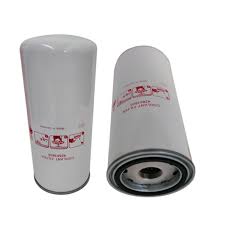
An oil filter is a device that removes contaminants from the compressor’s lubricating oil. Oil is used to lubricate moving parts, reduce friction, and dissipate heat. Over time, oil can become contaminated with dirt, metal particles, and other debris. Without a filter, these contaminants can circulate within the system, causing wear and damage to critical components.
Oil filters are typically made from paper, synthetic fibers, or metal mesh, and they vary depending on the type and size of the compressor.
How Oil Filters Affect Compressor Performance
Oil filters play a vital role in keeping compressors running efficiently. Here’s how:
1. Protects Internal Components
Industrial air compressors have parts like pistons, bearings, and valves that require clean oil for smooth operation. Contaminated oil can cause abrasion and wear, leading to mechanical failures. Oil filters trap dirt and debris, ensuring that only clean oil circulates within the system.
2. Extends Compressor Life
Using a quality oil filter and changing it regularly helps extend the life of your compressor. Dirty oil accelerates wear and tear, which can result in frequent breakdowns and costly repairs. By maintaining clean oil, your compressor operates longer and more reliably.
3. Maintains Efficiency
Clean oil reduces friction between moving parts, which helps the compressor operate at optimal efficiency. Contaminated oil increases resistance, forcing the motor to work harder. This leads to higher energy consumption and reduced performance.
4. Prevents Overheating
Oil not only lubricates but also helps cool the compressor. Contaminated or thickened oil cannot circulate properly, causing overheating. Overheating can damage internal components and reduce the overall lifespan of the machine.
Common Problems Caused by Neglecting Oil Filters
Ignoring oil filter maintenance can lead to several issues, including:
- Increased Wear and Tear: Dirt and metal particles in oil accelerate the deterioration of moving parts.
- Reduced Efficiency: Contaminated oil increases friction, consuming more energy.
- Overheating: Poor oil circulation leads to high temperatures, which can damage the compressor.
- Unexpected Breakdowns: Failure to change oil filters can cause sudden mechanical failures, leading to downtime.
- Costly Repairs: Damage from dirty oil often requires expensive part replacements.
How to Choose the Right Oil Filter
Selecting the correct oil filter is essential for maintaining compressor performance. Consider the following:
1. Compressor Type and Brand
Different compressor brands and models require specific oil filter types. Always check your manufacturer’s recommendations to ensure compatibility. Using the wrong filter can reduce efficiency and potentially damage the machine.
2. Oil Filter Type
Oil filters come in various types:
- Paper Filters: Disposable, efficient at trapping small particles.
- Synthetic Filters: Provide better filtration and longer life.
- Mesh or Screen Filters: Reusable, trap larger debris but require frequent cleaning.
Choose a filter type that suits your compressor’s usage and environment.
3. Flow Rate and Pressure Ratings
Oil filters have maximum flow rate and pressure ratings. Using a filter that cannot handle your compressor’s oil flow may reduce efficiency or fail prematurely.
4. Maintenance and Replacement
Regular inspection and timely replacement are crucial. Follow the manufacturer’s recommended schedule, typically every 500–1000 operating hours for industrial compressors.
Tips for Maintaining Oil Filters
- Inspect Regularly: Check the filter for dirt or damage at least monthly.
- Replace on Schedule: Follow the manufacturer’s replacement intervals to maintain efficiency.
- Use Quality Filters: OEM or high-quality aftermarket filters provide better protection.
- Monitor Oil Quality: Even with a filter, oil should be checked for color, thickness, and contaminants.
Conclusion
Oil filters may seem like a small component, but they play a critical role in the performance and longevity of industrial air compressors. They protect internal components, maintain efficiency, prevent overheating, and reduce the risk of costly repairs.
Regular inspection, maintenance, and replacement of oil filters are essential to keep your compressor running smoothly and efficiently. Investing in high-quality filters ensures reliable operation and extends the life of your machine.
For high-quality oil filters compatible with all major industrial air compressor brands, visit Cool Air Spare Parts to explore reliable options.