
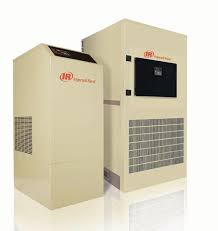
Industrial air compressors are the backbone of many industries, including manufacturing, automotive, construction, food processing, and pharmaceuticals. These machines run for long hours and handle heavy workloads every day. To keep an air compressor working efficiently and safely, proper maintenance is essential. One of the most critical but often ignored components is the oil filter.
Many people focus on the compressor itself and forget that clean oil is what keeps the system alive. In this blog, we will explain the importance of oil filters in industrial air compressors, how they work, and what problems can occur if they are not maintained properly.
What Is an Oil Filter in an Air Compressor?
An oil filter in an industrial air compressor is designed to remove contaminants such as dust, metal particles, carbon deposits, and sludge from the compressor oil. As the compressor runs, oil circulates through the system to lubricate moving parts, reduce friction, and control heat.
Over time, oil collects impurities. The oil filter traps these impurities and ensures that only clean oil flows back into the compressor.
Why Clean Oil Is Critical for Industrial Compressors
Industrial compressors operate under high pressure and temperature. Clean oil plays a major role in:
- Lubricating internal components
- Preventing wear and tear
- Reducing heat generation
- Sealing internal clearances
- Protecting metal parts from corrosion
Without a properly working oil filter, dirty oil circulates inside the compressor, leading to serious performance and reliability issues.
Key Benefits of Oil Filters in Industrial Air Compressors
1. Protects Internal Components
Industrial compressors have many moving parts such as bearings, rotors, gears, and shafts. Even tiny metal particles in oil can act like sandpaper and slowly damage these parts.
An oil filter captures these particles and protects critical components from premature wear.
2. Improves Compressor Efficiency
When oil is clean, it flows smoothly and lubricates efficiently. This reduces friction and allows the compressor to run at its designed performance level.
Dirty oil increases resistance inside the system, forcing the compressor to work harder and consume more energy.
3. Extends Compressor Life
Replacing a compressor is expensive. One of the easiest ways to extend its lifespan is by maintaining clean oil using a good-quality oil filter.
Regular oil filter replacement can add years to the compressor’s life, reducing capital expenses for businesses.
4. Prevents Overheating
Oil also helps in cooling the compressor. When the oil is contaminated, heat transfer becomes less effective. This can cause overheating, which may lead to oil breakdown, seal damage, or even system shutdown.
A clean oil filter ensures proper oil circulation and temperature control.
5. Reduces Maintenance and Repair Costs
Dirty oil causes internal damage that often goes unnoticed until a major failure occurs. This results in:
- Unplanned downtime
- Costly repairs
- Production losses
Using and replacing oil filters on time is a low-cost preventive maintenance step that avoids these expensive problems.
Common Problems Caused by Poor Oil Filtration
If oil filters are clogged, low quality, or not replaced on time, several issues can arise:
- Increased friction and component wear
- Oil pressure drop
- Higher operating temperatures
- Reduced air quality
- Compressor breakdown
In industrial environments, even a few hours of compressor downtime can lead to serious operational losses.
How Often Should Oil Filters Be Replaced?
There is no single answer for all compressors, but generally:
- Oil filters should be replaced every 2,000 to 4,000 operating hours
- Always follow the manufacturer’s recommendations
- Replace the oil filter whenever compressor oil is changed
- Check filters more frequently in dusty or harsh environments
Ignoring replacement intervals is a common mistake that leads to long-term damage.
Choosing the Right Oil Filter for Your Compressor
Not all oil filters are the same. When selecting an oil filter, consider:
- Compatibility with your compressor brand and model
- Filtration efficiency
- Pressure resistance
- Quality of filter media
Using a cheap or incorrect oil filter may save money short-term but often causes bigger problems later.
You can learn more about industrial compressor maintenance best practices from reliable sources like and .
Final Thoughts
Oil filters may seem like a small component, but their role in industrial air compressors is massive. They protect internal parts, improve efficiency, prevent overheating, and significantly reduce maintenance costs.
For industries that rely heavily on compressed air, neglecting oil filters is not an option. Regular inspection and timely replacement of oil filters ensure smooth operations, longer compressor life, and lower operational costs.
If you want your industrial air compressor to perform reliably day after day, investing in the right oil filter and maintaining it properly is one of the smartest decisions you can make.