
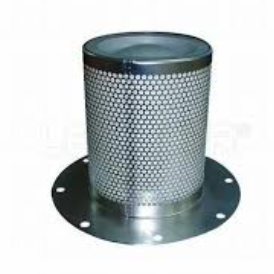
Industrial air compressors are designed to work continuously under high pressure and temperature. To keep them running smoothly, compressor oil plays a vital role in lubrication, cooling, and sealing. However, oil alone cannot protect the system if it becomes dirty. This is where compressor oil filters become important.
Many operators delay oil filter replacement, thinking it is a minor part. In reality, ignoring oil filter maintenance is one of the most common reasons for compressor failure. In this blog, we’ll clearly explain when you should replace compressor oil filters and why it is so important, in simple and practical language.
What Does a Compressor Oil Filter Do?
A compressor oil filter removes dust, metal particles, carbon residue, and other contaminants from the oil circulating inside the compressor. As the machine runs, friction and heat create impurities that mix with the oil.
The oil filter traps these impurities and ensures that only clean oil reaches sensitive internal components like bearings, rotors, and gears.
When Should You Replace Compressor Oil Filters?
There is no benefit in guessing or delaying oil filter replacement. Below are the most reliable guidelines.
1. After a Specific Number of Operating Hours
Most manufacturers recommend replacing compressor oil filters after:
- 2,000 to 4,000 running hours
- Sometimes earlier in harsh or dusty environments
Always check your compressor’s manual. Following manufacturer guidelines is safer than pushing limits to save short-term costs.
2. During Every Oil Change
Oil and oil filters work together. Replacing oil without changing the filter means new oil will immediately get contaminated by the old filter.
Best practice:
- Change the oil filter every time you change compressor oil
This simple habit significantly improves compressor health.
3. If Oil Pressure Drops
A clogged oil filter restricts oil flow, causing low oil pressure. This is dangerous because internal components may not receive enough lubrication.
Signs of low oil pressure include:
- Warning alarms
- Reduced compressor efficiency
- Unusual machine behavior
If oil pressure drops, the oil filter should be inspected and replaced immediately.
4. When Oil Looks Dirty or Thick
If compressor oil appears:
- Dark
- Sludgy
- Thick
- Burnt-smelling
It usually indicates contamination. Even if the filter has not completed its service hours, it should be replaced to prevent damage.
5. After Compressor Overheating
Overheating breaks down oil faster and produces carbon deposits. These deposits quickly clog oil filters.
After any overheating incident:
- Replace the oil
- Replace the oil filter
Failing to do this can lead to repeated overheating cycles.
Why You Should Replace Compressor Oil Filters on Time
Now let’s talk about the real reasons why timely replacement matters.
1. Prevents Internal Wear and Damage
Dirty oil acts like abrasive material. Small metal particles circulate through the system and slowly damage bearings, rotors, and gears.
A clean oil filter:
- Stops abrasive particles
- Reduces friction
- Protects expensive internal parts
Replacing a filter is cheap compared to repairing internal components.
2. Improves Compressor Performance
A clogged oil filter restricts oil flow. This increases friction and forces the compressor to work harder.
With a clean oil filter:
- Oil flows smoothly
- Energy consumption stays normal
- Air output remains consistent
This directly impacts productivity in industrial environments.
3. Reduces Overheating Risk
Oil helps carry heat away from moving parts. Dirty oil and blocked filters reduce cooling efficiency, leading to high operating temperatures.
Timely oil filter replacement:
- Maintains proper cooling
- Prevents oil breakdown
- Reduces shutdown risk
4. Extends Compressor Lifespan
Industrial air compressors are expensive investments. Poor oil filtration shortens their lifespan significantly.
Replacing oil filters on time:
- Reduces long-term wear
- Prevents sudden failures
- Adds years to compressor life
This is one of the easiest ways to protect your investment.
5. Lowers Maintenance and Repair Costs
Most major compressor failures start with poor lubrication. Ignoring oil filters leads to:
- Frequent breakdowns
- High repair bills
- Production downtime
Preventive maintenance like oil filter replacement costs far less than emergency repairs.
What Happens If You Don’t Replace Oil Filters?
Delaying oil filter replacement can cause serious problems such as:
- Oil contamination spreading through the system
- Bearing and rotor damage
- Increased power consumption
- Overheating and oil breakdown
- Complete compressor failure
In industries where compressors run continuously, even a few hours of downtime can cause heavy financial losses.
Tips for Proper Oil Filter Maintenance
- Always use manufacturer-approved or high-quality compatible oil filters
- Avoid cheap filters with poor filtration media
- Keep a maintenance log for oil and filter changes
- Inspect filters more frequently in dusty or high-temperature environments
Reliable maintenance guidelines are also explained well by compressor experts and industry resources like and .
Final Thoughts
Replacing compressor oil filters is not optional—it is essential. Knowing when and why to replace them helps prevent breakdowns, improves efficiency, and extends compressor life.
If you rely on compressed air for your operations, timely oil filter replacement is one of the smartest and most cost-effective maintenance decisions you can make. Ignoring it may save a little money today but will cost much more in the long run.
A clean oil filter means a healthy compressor.