
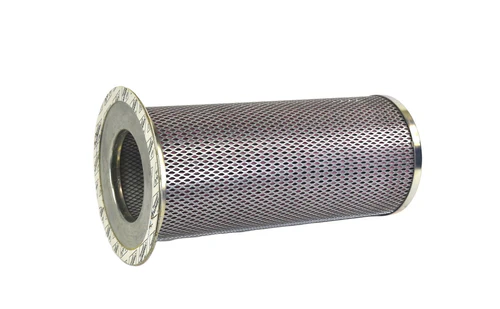
Air compressors are essential machines in many industries, from manufacturing plants to small workshops. They provide compressed air for tools, machinery, and other equipment. But, just like any other machine, air compressors need proper care and maintenance to work efficiently. One of the most important components that ensure optimal performance is the air filter.
In this blog, we will discuss why air filters are critical for air compressor performance, how they work, and the consequences of neglecting them.
What is an Air Filter?
An air filter is a device that removes contaminants such as dust, dirt, and other particles from the air before it enters the compressor. Clean air is vital because compressors operate under high pressure, and any impurities can damage the internal components or reduce efficiency.
Air filters are usually made from materials like foam, paper, or synthetic fibers, and they come in various shapes and sizes depending on the compressor type and application.
How Air Filters Impact Compressor Performance
Air filters play a key role in ensuring that an air compressor works smoothly and lasts longer. Here’s how:
1. Protects Internal Components
The compressor has moving parts like pistons, valves, and cylinders. If dirt or debris enters these parts, it can cause abrasion and wear, leading to mechanical failures. A high-quality air filter prevents harmful particles from reaching these delicate components.
2. Maintains Efficiency
When an air filter is clean, air flows freely into the compressor. This ensures that the machine operates at its optimal pressure and efficiency. A clogged or dirty filter restricts airflow, forcing the compressor to work harder. This extra effort not only increases energy consumption but also reduces the machine’s overall efficiency.
3. Prevents Contaminated Output
Compressed air is often used in applications where purity is essential, such as painting, food processing, or medical equipment. If the incoming air contains dust or other impurities, it can compromise the quality of the end product. An air filter ensures that the air leaving the compressor is clean and safe for its intended use.
4. Extends Compressor Life
Regular maintenance, including changing or cleaning air filters, helps in prolonging the life of your air compressor. Dirty air can cause overheating, increased wear, and frequent breakdowns. By keeping the air filter in good condition, you reduce the risk of damage and avoid costly repairs.
Signs Your Air Filter Needs Attention
Knowing when to replace or clean your air filter is crucial. Here are some common signs:
- Reduced Airflow: If your tools or machinery are not getting enough air, the filter might be clogged.
- Increased Power Consumption: The compressor uses more electricity to maintain pressure.
- Unusual Noises: Dirty filters can cause strain on the motor, leading to unusual sounds.
- Visible Dirt or Damage: Inspect the filter for dust accumulation or tears regularly.
Types of Air Filters
Depending on the application and environment, there are different types of air filters:
- Foam Filters: Lightweight and reusable, ideal for small compressors.
- Paper Filters: Efficient at trapping fine dust particles; usually disposable.
- Oil-Wetted Filters: Common in heavy-duty compressors; provide additional filtration.
- HEPA Filters: Used where extremely clean air is required, such as in medical or lab environments.
Each type has its advantages, and choosing the right filter is essential for optimal performance.
Maintenance Tips for Air Filters
To keep your compressor running smoothly, follow these maintenance tips:
- Regular Inspection: Check the air filter at least once a month for dirt or damage.
- Cleaning: Wash foam filters with mild soap and water; allow them to dry completely before reinstallation.
- Replacement: Replace paper and HEPA filters according to the manufacturer’s recommendation.
- Environment Control: Keep the compressor in a clean, dust-free environment to reduce filter clogging.
Consequences of Neglecting Air Filters
Ignoring air filter maintenance can have serious consequences:
- Reduced Performance: Compressor may not reach required pressure.
- Higher Energy Bills: More electricity is consumed due to increased workload.
- Frequent Breakdowns: Contaminants cause wear and tear, leading to costly repairs.
- Poor Product Quality: Contaminated air can affect sensitive operations, such as painting or food processing.
Conclusion
Air filters might seem like a small component of an air compressor, but their role is critical. They protect internal components, maintain efficiency, improve air quality, and extend the life of the compressor. Regular inspection, cleaning, and timely replacement of air filters are essential for smooth and cost-effective operations.
Investing in quality air filters and proper maintenance practices ensures that your air compressor performs reliably and delivers clean, high-pressure air for all your applications.
For more information on air compressor parts and maintenance, you can visit Cool Air Spare Parts for high-quality filters and accessories.