
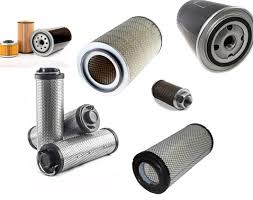
Air compressors are among the biggest energy consumers in many industrial and commercial facilities. When they are well maintained, they operate efficiently and keep energy costs under control. However, when consumable parts become worn and are not replaced on time, a compressor starts using more energy than necessary—often without obvious warning signs.
Many operators focus on fixing major breakdowns but ignore small consumable parts. This is a costly mistake. Worn consumables force the compressor to work harder, run longer, and consume more electricity. Let’s look at how this happens and why timely replacement is essential.
1. Restricted Airflow Forces the Compressor to Work Harder
Consumable parts like air filters play a critical role in maintaining smooth airflow into the compressor. As filters become dirty or clogged, airflow is restricted.
When less air enters the system, the compressor must work harder to reach the required pressure. This extra effort directly increases energy consumption.
Energy impact:
- Longer run times
- Higher motor load
- Increased electricity usage
Even a partially clogged air filter can increase power consumption significantly, making it one of the most overlooked energy-wasting issues.
2. Poor Lubrication Increases Friction and Heat
Compressor oil and oil filters are designed to reduce friction between moving parts. Over time, oil degrades and oil filters lose their effectiveness.
When lubrication quality drops, internal components experience more friction. Friction creates heat, and heat makes the compressor less efficient.
Energy impact:
- Motor draws more power
- Increased operating temperature
- Reduced mechanical efficiency
A compressor running on old or contaminated oil will always consume more energy than one properly lubricated.
3. Air and Oil Leaks Cause Pressure Loss
Worn seals, O-rings, gaskets, and hoses are small consumable parts, but their impact on energy use is large. As these parts wear out, air and oil leaks develop.
Air leaks reduce system pressure. To compensate, the compressor cycles more frequently or runs continuously to maintain pressure.
Energy impact:
- Constant pressure drops
- Frequent start-stop cycles
- Higher electrical demand
Even small leaks can increase energy consumption by 10–30% if left unaddressed.
4. Failing Air/Oil Separators Increase Load
Air/oil separators remove oil from compressed air before it enters the system. When separators become clogged or damaged, pressure drop across the separator increases.
This pressure drop forces the compressor to generate higher pressure than needed, which requires more energy.
Energy impact:
- Increased pressure differential
- Longer operating hours
- Higher oil consumption leading to inefficiency
A worn separator doesn’t just waste oil—it also wastes electricity.
5. Worn Belts Reduce Power Transfer Efficiency
In belt-driven compressors, belts are responsible for transferring power from the motor to the compressor element. Over time, belts stretch, crack, or lose tension.
When belts slip, energy is lost during power transmission. The motor still consumes electricity, but less of that energy is converted into compressed air.
Energy impact:
- Lower output for the same power input
- Increased motor strain
- Higher energy costs per unit of air produced
Replacing worn belts restores efficient power transfer and reduces unnecessary energy loss.
6. Blocked Drain Valves Increase System Resistance
Moisture is a natural byproduct of compressed air systems. Drain valves and condensate components remove this moisture.
If drain valves clog or fail, water accumulates inside the system. This reduces effective air volume and increases resistance within air lines.
Energy impact:
- Reduced air efficiency
- Higher compressor workload
- Increased pressure demand
Excess moisture also causes corrosion, which further reduces system efficiency over time.
7. Sensors and Small Consumables Affect Control Accuracy
Some consumable components, such as pressure switches and control seals, influence how accurately the compressor responds to demand.
When these parts wear out, pressure control becomes inconsistent. The compressor may run longer than necessary or operate at higher pressure levels than required.
Energy impact:
- Over-pressurization
- Unnecessary runtime
- Increased electricity usage
Running a compressor at even slightly higher pressure than needed can dramatically increase energy costs.
Why Energy Loss Often Goes Unnoticed
The biggest problem with worn consumables is that energy loss is gradual. The compressor still works, so operators assume everything is fine. Meanwhile, energy bills slowly increase, and the root cause remains hidden.
Unlike mechanical failures, energy inefficiency doesn’t cause immediate shutdowns—but it quietly drains money every day.
Final Thoughts
Worn consumable parts directly increase energy consumption by reducing airflow, increasing friction, causing leaks, and forcing compressors to operate longer and harder than necessary. What seems like minor maintenance neglect often leads to major energy waste.
Replacing consumable parts on time is one of the simplest and most cost-effective ways to reduce energy costs. A well-maintained compressor not only lasts longer but also operates at optimal efficiency, saving money on electricity month after month.
Ignoring worn consumables doesn’t just damage the compressor—it steadily increases your energy bills.