
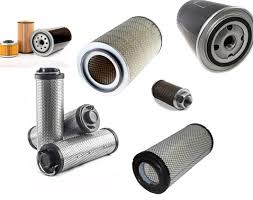
Air compressors are critical machines in many industries, from manufacturing and workshops to construction and automotive services. To keep a compressor running efficiently and avoid unexpected breakdowns, regular servicing is essential. One key part of this servicing is replacing consumable parts.
Consumable parts are components that wear out over time due to constant use. Ignoring them may seem like a way to save money in the short term, but it often leads to reduced performance, higher energy costs, and expensive repairs later. Below are the most important consumable parts you must replace during regular compressor service and why they matter.
1. Air Filter
The air filter is one of the most important consumable parts in a compressor. Its job is to prevent dust, dirt, and other airborne particles from entering the compressor system.
Over time, the filter becomes clogged. When this happens, airflow is restricted, forcing the compressor to work harder to draw in air. This increases energy consumption and puts extra stress on internal components.
Why replacement matters:
- Maintains proper airflow
- Improves compressor efficiency
- Prevents internal damage
- Reduces power consumption
A dirty air filter can significantly shorten the life of your compressor, so replacing it regularly is essential.
2. Oil Filter
For oil-lubricated compressors, the oil filter plays a vital role. It removes contaminants from the compressor oil, keeping it clean and effective.
As the filter fills with dirt and debris, its ability to clean the oil decreases. Dirty oil leads to poor lubrication, increased friction, and overheating.
Why replacement matters:
- Keeps oil clean
- Protects moving parts
- Reduces wear and tear
- Prevents overheating
Oil filters should always be replaced according to the manufacturer’s service schedule or whenever the oil is changed.
3. Compressor Oil (Lubricant)
Although oil is not a “part,” it is one of the most critical consumables in a compressor. Compressor oil lubricates moving components, reduces friction, helps with cooling, and seals internal clearances.
Over time, oil degrades due to heat, moisture, and contamination. Old oil loses its lubricating properties and can cause serious internal damage.
Why replacement matters:
- Ensures smooth operation
- Controls operating temperature
- Prevents corrosion
- Extends compressor life
Using the correct type of oil recommended by the manufacturer is just as important as changing it on time.
4. Air/Oil Separator
The air/oil separator separates oil from compressed air before the air is sent into the system. This component is especially important in rotary screw compressors.
When the separator becomes clogged or damaged, oil carryover increases. This leads to oil contamination in the compressed air and higher oil consumption.
Why replacement matters:
- Maintains clean compressed air
- Reduces oil loss
- Improves system efficiency
- Protects downstream equipment
A failing separator can also cause pressure drops, forcing the compressor to run longer and consume more energy.
5. Intake Valve Seals and O-Rings
Seals and O-rings may seem small, but they play a major role in preventing air and oil leaks inside the compressor.
With time, heat and pressure cause these rubber components to harden, crack, or lose elasticity. Even minor leaks can reduce compressor efficiency significantly.
Why replacement matters:
- Prevents air and oil leakage
- Maintains pressure levels
- Improves overall performance
- Avoids unnecessary load on the motor
These parts are usually replaced during scheduled servicing to prevent sudden failures.
6. Belts (for Belt-Driven Compressors)
In belt-driven compressors, belts transfer power from the motor to the compressor unit. Belts naturally wear out due to tension, heat, and continuous movement.
Worn or loose belts slip, reducing efficiency and causing uneven operation.
Why replacement matters:
- Ensures smooth power transmission
- Prevents vibration and noise
- Maintains correct compressor speed
- Reduces stress on motor and bearings
Ignoring worn belts can eventually lead to motor damage or complete compressor failure.
7. Drain Valves and Condensate Components
Compressed air systems produce moisture. Drain valves and condensate components remove this moisture from the system.
If these parts clog or fail, water builds up inside the compressor and air lines, leading to corrosion and poor air quality.
Why replacement matters:
- Prevents water accumulation
- Protects internal components
- Improves air quality
- Reduces rust and corrosion
Regular inspection and replacement ensure moisture is properly managed.
Final Thoughts
Replacing consumable parts during regular compressor service is not optional—it is essential for reliable operation. Each consumable part plays a specific role in protecting the compressor, maintaining efficiency, and reducing long-term costs.
Skipping or delaying replacements may save a little money initially, but it often results in higher energy bills, reduced performance, and expensive repairs. A well-maintained compressor lasts longer, runs smoother, and delivers consistent performance.
Regular servicing with timely replacement of consumable parts is the smartest investment you can make to protect your compressor and your business.